
Sewage Backup Cleanup in Bradenton, FL
A sewage backup can introduce contaminated wastewater into bathrooms, kitchens, laundry rooms, and other areas of a property. In addition to creating unpleasant odors and visible mess, sewage can expose people to harmful microorganisms and contaminate flooring, walls, and personal belongings. Prompt attention is important to help protect occupants and determine the appropriate cleanup steps.
Bradenton Restoration Specialist helps property owners address water damage concerns and understand the next steps after a sewage backup. Whether wastewater has entered through a floor drain, an overflowing toilet, or a sewer line problem, the cleanup approach depends on the source, extent of contamination, and materials affected.
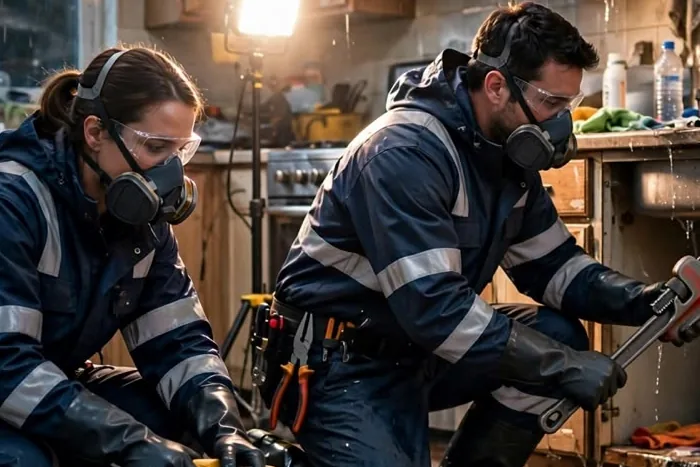
Common Causes and Signs of a Sewage Backup
Sewage backups can occur when wastewater cannot flow through the plumbing or sewer system as intended. Recognizing the signs and identifying the likely source can help property owners understand the seriousness of the situation and arrange appropriate assistance.
Sewer Line Blockages, Drain Backups, and Toilet Overflows
A blocked sewer line, plumbing failure, or drain obstruction may cause wastewater to flow back into a property. Common problem areas include toilets, bathroom floor drains, kitchen drains, and laundry room drains. In some cases, several fixtures may show signs of a backup at the same time.
Sewage may also enter indoor spaces through damaged plumbing or a compromised sewer line. The underlying cause needs to be identified because cleaning the affected room alone will not prevent another backup if the original problem remains unresolved.
If wastewater continues to enter the property, avoid using affected plumbing fixtures until the cause has been assessed. A qualified plumber may be needed to inspect and repair the sewer line or plumbing system.
Warning Signs of Sewage Contamination Inside Your Property
Visible wastewater is an obvious warning sign, but other indicators may include strong sewage odors, discolored water around floor drains, wet flooring, and contamination spreading into adjoining rooms. Carpet, baseboards, drywall, cabinets, and belongings near the affected area may also become contaminated.
Sewage can spread beyond the point where it first appears, particularly when wastewater flows across floors or reaches absorbent materials. The visible area may not represent the full extent of contamination.
If you suspect a sewage backup, keep children and pets away from the affected area. Avoid direct contact with the wastewater and do not assume that a surface is safe simply because it looks clean.
Why Sewage Backup Cleanup Requires Special Precautions
Sewage cleanup differs from ordinary water cleanup because wastewater may contain harmful microorganisms and other contaminants. The appropriate response depends on the source of the water and the materials it has contacted.
Health Risks from Contaminated Water and Wastewater
Sewage may contain bacteria, viruses, parasites, and other biological contaminants. Direct contact with contaminated water or surfaces can create health risks, particularly when wastewater reaches areas used for food preparation, bathing, or everyday household activities.
Do not walk through sewage water unnecessarily, handle contaminated belongings without appropriate protection, or attempt to clean a significant backup using ordinary household cleaning products alone. Never mix cleaning chemicals, particularly bleach with ammonia or acidic products, because dangerous gases can form.
If sewage is near electrical outlets, appliances, wiring, or electrical equipment, do not enter the affected area until the electrical hazard has been addressed safely. If anyone develops symptoms after possible exposure, seek advice from a healthcare professional.
Protecting People and Limiting Further Contamination
Restrict access to the affected area and keep uncontaminated rooms separate from the cleanup zone where possible. Avoid carrying wet, contaminated items through clean areas, as this may spread wastewater and residue to other surfaces.
Do not use a household vacuum or ordinary vacuum cleaner to remove sewage water. If the backup is extensive, has reached porous materials, or involves an uncertain source, professional assessment is advisable.
The priority is to protect occupants, address the source of the backup, and determine which materials can be cleaned safely and which may need removal or replacement.
Our Sewage Backup Cleanup Process
The appropriate sewage backup cleanup process depends on the volume of wastewater, the affected rooms, the type of contamination, and how far the sewage has spread. Assessment helps establish the scope of the work before decisions are made about removal and restoration.
Assessing Contamination and Identifying Affected Materials
The first step is to understand where the sewage entered, which surfaces it contacted, and whether it spread into adjacent rooms or concealed areas. Assessment may include flooring, carpet and padding, baseboards, drywall, cabinets, and personal belongings.
Material type is an important consideration. Nonporous surfaces may be suitable for cleaning and disinfection using appropriate procedures, while absorbent materials can retain contamination and may require removal. The decision depends on the condition of the material, the type of sewage, and the extent of exposure.
Identifying the affected areas helps determine the appropriate cleanup requirements and whether additional plumbing, building, or restoration specialists may be needed.
Sewage Removal, Cleaning, and Disinfection
Sewage removal requires suitable procedures for handling contaminated wastewater and preventing the spread of contamination. After removal, affected surfaces must be evaluated to determine the appropriate cleaning and disinfection methods for the material and type of contamination.
Some items may be recoverable, while contaminated carpet padding, drywall, insulation, or other porous materials may need to be discarded. Waste must be handled and disposed of appropriately, in accordance with applicable requirements.
Cleaning and disinfection are not interchangeable: removing visible soil does not necessarily eliminate harmful microorganisms. The work must be appropriate to the contamination involved, and materials should not be considered safe solely because odors or visible residue have disappeared.
Sewage Damage to Floors, Walls, and Belongings
When wastewater enters a building, it can affect both visible surfaces and materials beneath or behind them. The extent of damage depends on the amount of sewage, how long materials remain exposed, and the construction of the affected area.
Evaluating Contaminated Flooring, Drywall, and Porous Materials
Carpet and padding can absorb contaminated wastewater, while porous subfloors, drywall, insulation, and wood components may retain moisture and contamination. Cabinets, furniture, stored boxes, clothing, and other belongings may also be affected.
Not every damaged item can be restored safely. Decisions about cleaning, drying, or disposal should account for the contamination source, material type, and extent of exposure. Items that have absorbed sewage may require removal rather than ordinary surface cleaning.
Property owners should avoid moving heavily contaminated materials through occupied areas. A suitable assessment can help identify which materials need attention and reduce the chance of spreading contamination during cleanup.
Addressing Lingering Odors and Residual Moisture
Persistent sewage odors may indicate remaining contamination, affected porous materials, or a plumbing problem that has not been resolved. Masking an odor with air fresheners does not address its underlying source.
After appropriate sewage removal and cleaning, affected building materials may also require moisture assessment and drying. Moisture left inside flooring, walls, or other materials can contribute to additional damage and increase the risk of mold growth.
For information about drying water-damaged building materials, see our Structural Drying & Dehumidification service page. If mold is suspected or visible, further assessment may be needed to determine the appropriate remediation steps.
Sewage Backup Cleanup Services in Bradenton, FL
A sewage backup can affect properties differently depending on the plumbing system, room layout, and materials exposed to wastewater. Bradenton Restoration Specialist can discuss sewage-related property damage and possible cleanup options with property owners in Bradenton, Florida.
Residential and Commercial Sewage Cleanup
Sewage backups can affect houses, apartments, offices, retail spaces, and other buildings. In homes, affected areas may include bathrooms, kitchens, laundry rooms, and utility spaces. Commercial properties may require additional attention to shared facilities, work areas, and spaces used by employees or customers.
The cleanup approach should reflect the affected property's use, the extent of contamination, and the materials involved. Restricting access to contaminated areas may be necessary until appropriate cleanup has been completed.
Where the underlying problem involves a blocked drain, damaged sewer line, or plumbing failure, repairs by a qualified plumbing professional may also be necessary. For removal of standing water, visit our Water Extraction & Removal page.
Contact Bradenton Restoration Specialist for Sewage Backup Help
If sewage has entered your property, explain where the backup occurred, whether wastewater is still entering the building, and which rooms or materials have been affected. This information can help clarify the situation and identify the appropriate next steps.
Bradenton Restoration Specialist can discuss your sewage backup concerns and the cleanup options relevant to your property in Bradenton, FL. Because sewage contamination can present health and safety risks, avoid direct contact with the affected area while arranging appropriate assistance.
Contact Bradenton Restoration Specialist for Sewage Backup Cleanup
A sewage backup should be treated differently from a clean-water leak. Contaminated wastewater can affect building materials, belongings, and the safety of indoor spaces. Identifying the source, limiting exposure, and determining the correct cleanup approach are essential steps toward addressing the damage.
Discuss the Source and Extent of the Sewage Backup
When contacting us, be prepared to explain:
- Where the sewage appeared, such as a toilet, floor drain, or other area.
- Whether the wastewater is still entering the property.
- Which floors, walls, furnishings, or belongings appear affected.
- Whether the problem has occurred previously.
- Whether a plumber has identified a possible blockage or sewer line issue.
Do not enter contaminated water to collect these details. Share only what you can observe safely.
Arrange an Assessment for Sewage Backup Cleanup
For questions about sewage backup cleanup in Bradenton, contact Bradenton Restoration Specialist to discuss the conditions at your property and determine the appropriate next steps.
- Phone Number:
- Call Now +1 (941) 541-0203
- Email:
- [email protected]
- Address:
- 1806 29th St W, Bradenton, FL 34205
- Hours:
- Open 24/7 for emergency calls
Describe the affected area and the suspected source of the sewage so the situation can be discussed more clearly.